

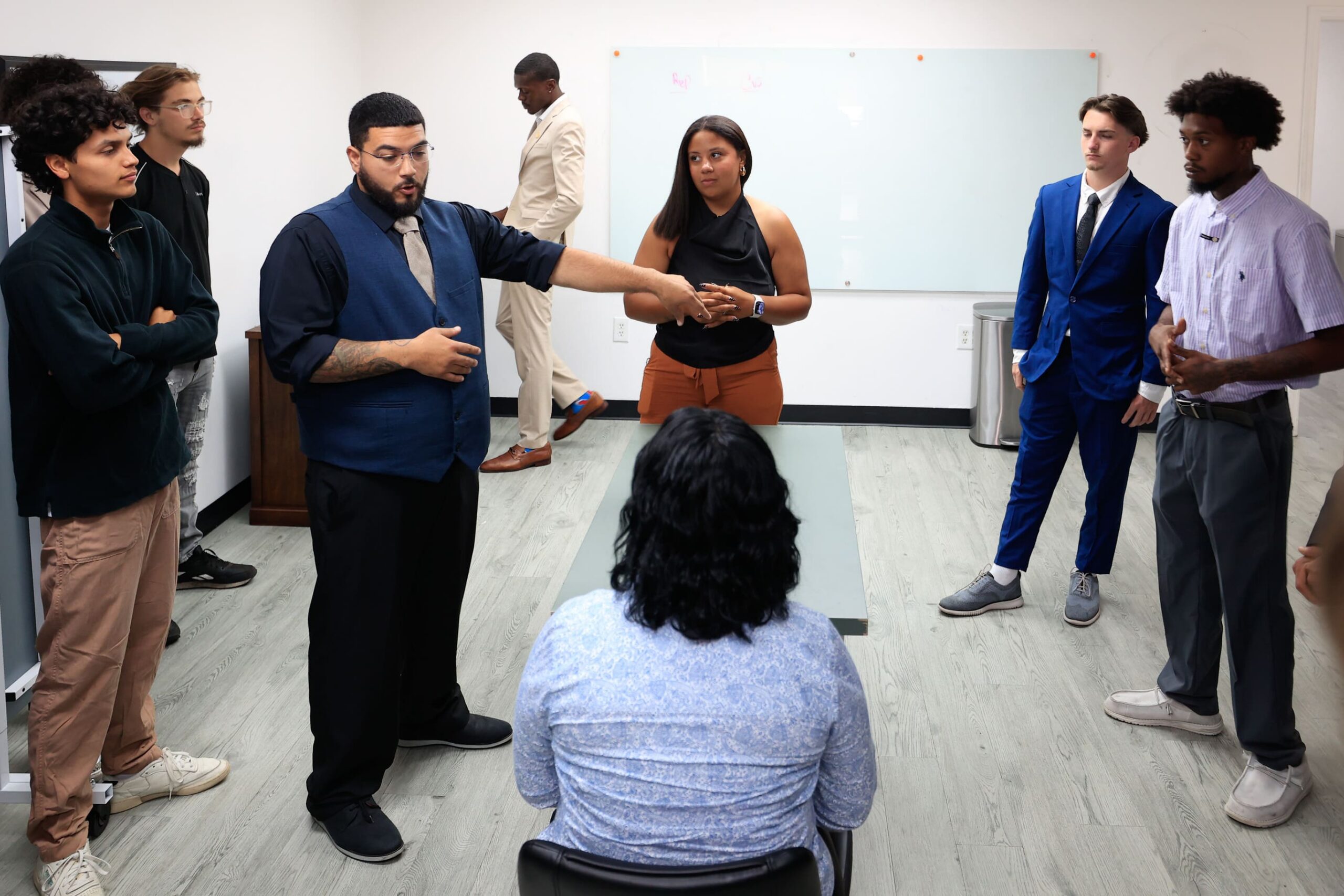
Leadership in outreach and sales grows from real interactions, not theory. Professionals in these roles work face-to-face with customers, navigate objections, and build trust in moments that cannot be scripted. Developing leaders in this environment requires practical guidance, structured feedback, and opportunities to learn through experience.
That is where hands-on leadership development becomes essential. It helps individuals strengthen decision-making, communication, and accountability while staying grounded in the realities of customer engagement.
When leadership growth is embedded into everyday responsibilities, teams become more confident, adaptable, and capable of building meaningful relationships that support both performance and long-term professional growth.
Lead from the Front in Customer Engagement
Leadership credibility begins with participation. When leaders actively engage in outreach activities, they demonstrate the standards expected from the team and show how to handle conversations with professionalism and clarity. Observing a leader navigate real situations offers insight that no training manual can provide.
Professionals often learn best by seeing how experienced leaders respond in the moment. Whether it is adapting messaging, listening carefully to concerns, or guiding a conversation toward solutions, visible leadership sets the tone for the entire team. This method reinforces hands-on leadership development by turning everyday work into a learning environment.
To make this approach effective, leaders can incorporate several practical actions:
- Join team members during outreach efforts
- Model respectful and solution-focused communication
- Share insights immediately after interactions
After these actions, leaders should create space for reflection and discussion. Team members benefit from understanding not only what worked, but why certain approaches were effective. These conversations help professionals connect behavior with outcomes and build confidence in applying similar strategies in future interactions.
Turning Observation into Skill
Watching a leader work is valuable, but translating that experience into personal skill matters even more. Managers should encourage team members to practice the same techniques and then provide constructive feedback. This step strengthens learning and ensures development becomes an active process rather than passive observation.
Reinforcing Accountability Through Presence
Consistent involvement communicates that leadership is not removed from the day-to-day work. It reinforces accountability and shows that success is shared. Professionals are more likely to stay motivated when leaders demonstrate commitment and reliability through action.
Embed Coaching into Daily Operations
Coaching should be a continuous process woven into everyday responsibilities rather than a periodic event. When guidance happens close to the moment of action, it becomes more relevant and easier to apply. Leaders who make coaching a routine part of operations help professionals refine their approach while maintaining momentum.
Creating a Feedback Culture
Teams respond well when feedback feels supportive rather than corrective. Leaders should emphasize growth and learning, ensuring professionals feel comfortable asking questions and exploring new approaches. This environment encourages experimentation and strengthens engagement.
Integrating structured feedback supports hands-on leadership development by ensuring learning is consistent and measurable. Team members gain clarity about expectations, strengths, and areas for improvement. This process also allows leaders to identify emerging talent and guide individuals toward greater responsibility.
Keeping Development Consistent
Regular coaching keeps leadership development from becoming an afterthought. When learning is built into daily work, professionals remain focused on improvement while staying aligned with team goals and expectations.
A few practical methods can help establish this structure:
- Hold short feedback sessions after outreach activities
- Use real examples from recent interactions
- Connect lessons to a defined professional development plan
After implementing these practices, leaders should monitor how feedback influences performance. Improvement often appears gradually, so recognizing small wins encourages continued effort and keeps morale high.
Use Peer Learning to Build Leadership Readiness
Leadership growth accelerates when professionals learn from one another. Peer learning allows individuals to share insights, discuss challenges, and discover new ways to approach customer conversations. This exchange strengthens collaboration while encouraging emerging leaders to step forward and contribute.
Building Confidence Through Shared Experience
When individuals see colleagues navigate similar challenges, they feel more confident in their own abilities. This shared understanding reduces hesitation and encourages professionals to try new approaches without fear of failure.
Consider incorporating the following strategies:
- Organize short debrief sessions after field activities
- Encourage team members to share personal success stories
- Rotate facilitation roles to build leadership confidence
These practices help professionals feel invested in each other’s progress. They also reveal leadership qualities that might not surface in formal evaluations, such as empathy, initiative, and the ability to guide conversations constructively.
Strengthening Team Cohesion
Peer learning fosters trust. It creates a sense that success is collective rather than individual, which encourages collaboration and accountability across the team.
Facilitated discussions can transform individual experiences into collective knowledge. When teams analyze what worked and what could be improved, they gain a broader understanding of effective engagement. This approach supports hands-on leadership development by creating opportunities for professionals to practice communication, mentorship, and problem-solving in a supportive setting.
Align Leadership Growth with Real Responsibilities
Leadership development becomes meaningful when it connects directly to everyday work. Assigning responsibilities that stretch skills allows professionals to practice decision-making and accountability in a practical setting. These opportunities prepare individuals for future leadership roles while strengthening current operations.
Preparing Emerging Leaders
Gradual exposure to responsibility helps individuals build confidence. When professionals experience small wins in leadership roles, they become more willing to take on larger challenges.
Once responsibilities are assigned, guidance and support remain essential. Leaders should check in regularly, offer feedback, and recognize progress. This ensures professionals feel supported while developing new skills.
Golden View Solutions integrates this philosophy into its culture by encouraging individuals to lead small initiatives and contribute ideas that improve customer engagement. This approach keeps leadership growth connected to real work and helps professionals understand how their actions influence team success.
Reinforcing Ownership and Initiative
Responsibility encourages accountability. Professionals begin to see the impact of their decisions, which strengthens commitment and focus.
Professionals exploring outreach representative jobs often look for pathways that allow them to grow into positions of influence. Providing structured responsibilities shows that leadership is accessible and earned through initiative and consistent performance.
To support this approach, leaders can introduce targeted opportunities such as:
- Assigning mentorship roles to experienced team members
- Allowing individuals to coordinate outreach plans
- Encouraging ownership of follow-up processes
Anchor Leadership in Customer-Centered Values
Leadership in outreach and sales is grounded in relationships. Professionals must understand that every interaction shapes trust and influences how customers perceive the organization. Leaders who prioritize integrity and service create teams that focus on meaningful engagement rather than short-term outcomes.
Shaping Culture Through Leadership
Values influence how teams operate daily. When leaders prioritize honesty, accountability, and service, these qualities become part of the organizational culture and guide decision-making at every level.
To reinforce these values, leaders can emphasize the following behaviors:
- Recognize respectful and attentive communication
- Encourage reflection after customer interactions
- Highlight the role of trust in long-term success
After these behaviors are reinforced, leaders should continue to model them consistently. Actions carry more weight than instructions, and teams often mirror what they see demonstrated.
Connecting Purpose to Performance
Professionals perform better when they understand why their work matters. Emphasizing the human side of outreach helps individuals stay motivated and committed to building meaningful connections.
This mindset strengthens hands-on leadership development by connecting leadership skills to purpose. Professionals learn that communication, empathy, and consistency are not optional qualities. They are essential to building lasting relationships and supporting team credibility.
Building Leaders Who Learn by Doing
Effective leadership development relies on experience, guidance, and reflection. Outreach and sales professionals grow when they are supported through real interactions, structured coaching, and opportunities to lead within their existing responsibilities. These experiences shape confidence, communication skills, and accountability in ways that traditional instruction cannot replicate.
If you are ready to grow your leadership skills in a role that values initiative and real-world learning, join Golden View Solutions. Be part of a team where development is built into the work itself and where your ability to connect with people can shape a meaningful career path. Apply today!